

Homura Hime
Developer: Crimson Dusk
Publisher: PLAYISM
Released: March 4, 2026
Platforms: Steam
Platform: Steam
Difficulty: Normal
Completion: Main Story
OS: Windows 11
CPU: Intel Core i7-13650HX
GPU: NVIDIA GeForce RTX 4060 Laptop GPU, 8 GB VRAM
RAM: 16 GB
This was one I was highly anticipating, all I knew was it promised spectacle action and bullet hell combat that’s still somehow rare in this age. When I first tried the demo some time last year I had high hopes for it, despite not being able to get past the boss (partly because I rejected parrying as a concept). I’d seen enough by that point and looked forward to the final product. Even if I legitimately was just not playing well I’ve had experiences with early hurdles in games and still found myself continuing.
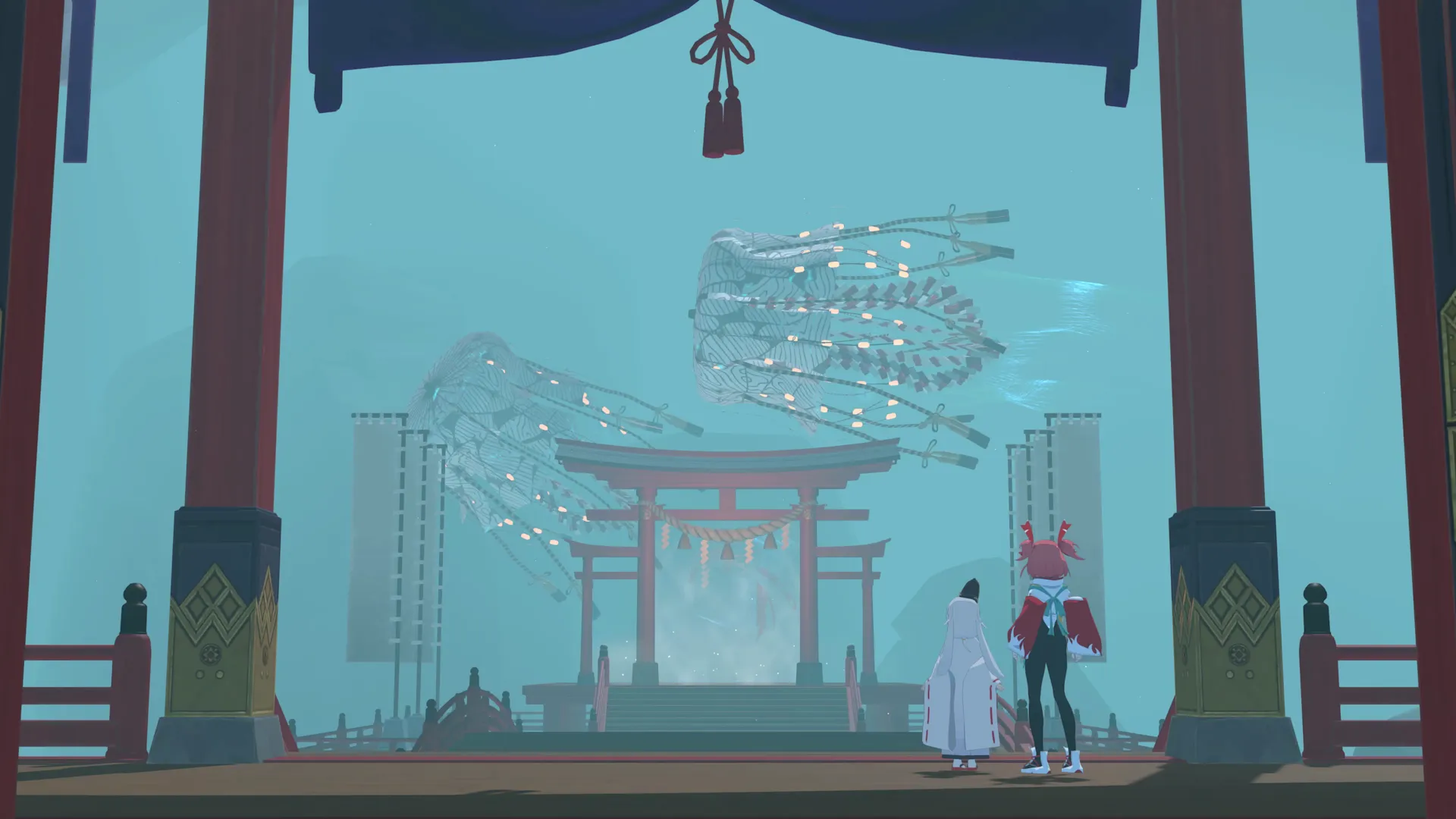
As with most games in this genre, the combat is the mainstay of the experience. On the surface it has everything one would expect: light and heavy attacks, dodges, various skills to prepare and use etc. Where Homura Hime excels is how each of its components feel designed around the same intent. Every tool I was given felt critical to my success; there was not much that I ended up leaving behind. Parrying, which I initially rejected, ended up being one of the most satisfying mechanics in the game for the way it interacts directly with nearly every other aspect. Success in this technique functioning as a form of healing is actually a refreshing change from the typical finite item other action games in general tend to go for.
As the game continues, the inspirations from popular spectacle fighters and NieR are felt throughout the gameplay. Looking back at Homura’s ranged weaponry the influence of Yoko Taro’s masterpiece is there. Ultimately, Homura Hime is simple at its core in a similar vein to NieR’s. You have your light and heavy attacks, and are expected to create combos. You even have the “blessed shots” which are similar in function to the Pod in Automata and Weiss in Replicant. In fact, the types of ranged weapons you get throughout the game appear to be nearly identical to Pod: Rapid Fire, a Laser, something that directly homes on nearby enemies, while also having a limited stamina bar that depletes with use and replenishes automatically.
I believe the game improves upon these ideas. Whereas I found myself using the laser more than anything in Automata, there have been varied use cases for each blessed shot type. From my time playing I found each one has at least one enemy I preferred using them for. Interestingly, unlike the Pod weapon, blessed shots cannot be continuously fired while attacking. While I can appreciate the balancing surrounding the approach, I do think it dampened my engagement with the mechanic as there was little room for it to integrate naturally into the flow of combat. And while I praise the game for having uses for each of the three, this aspect has made the homing weapon the best option as it can fire without the need for continuous input like the others and can do damage while I’m attacking.
The game’s key defensive maneuver is parrying, in a similar vein to dodges in NieR: Automata and Bayonetta—although dodging is present in this game as well. Most damage in general can be parried, even some level hazards, indicated by a red glow similar to the glare of Automata’s enemies. Beyond just protecting yourself, parries are your main form of healing as each successful one has a slight chance to give health. At times it might feel minute, but with how much defense is required against powerful opponents it can become a lifeline.
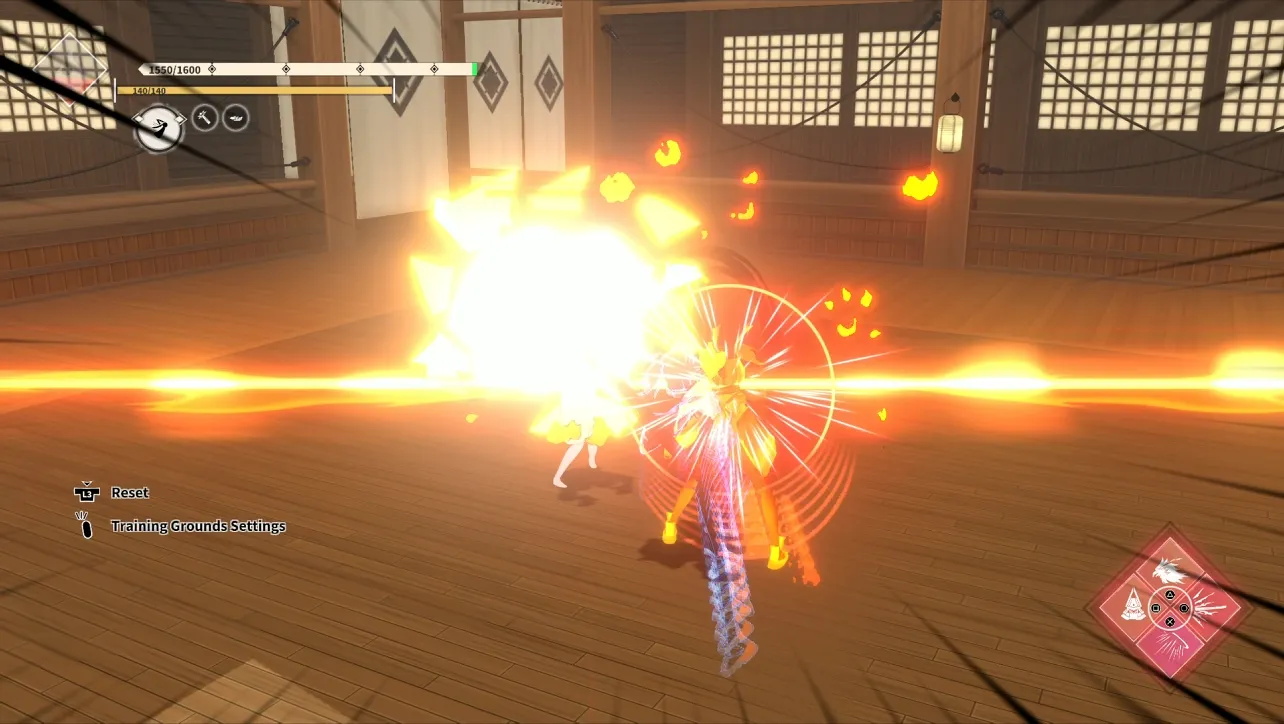
Parrying doesn’t have the weight it does in games like Metal Gear Rising or titles from the soulslike genre, but I felt that the experience of it is supported by the game’s audio design which gives a similar feedback result. It was satisfying to successfully deflect a succession of hits even when those were always the easier attacks to defend against. The ease of parrying is actually a common criticism, as the window is generous compared to other titles and I also found you can even spam the input and land the timing in most cases. The way I look at it, this actually added to my experience through the spectacle surrounding parrying in succession. Furthermore, the higher end of enemies will mostly have a number of unblockable attacks or mechanics preventing mindless aggression. As is, I believe the game’s execution of this mechanic is enjoyable for what it is and would only bother players craving a need for precision.
As far as the actual tools given, Homura Hime’s combos are smaller in scope to other titles in the genre. But the small selection means each combo earns a place in Homura’s arsenal aside from the default of mashing light attack. Regular attacks can be augmented with up to four customizable skills. I was surprised by the frequency I engaged with them as I rarely clung to any particular skill too long with the exception of the one that summons an actual phoenix to grief the battlefield.
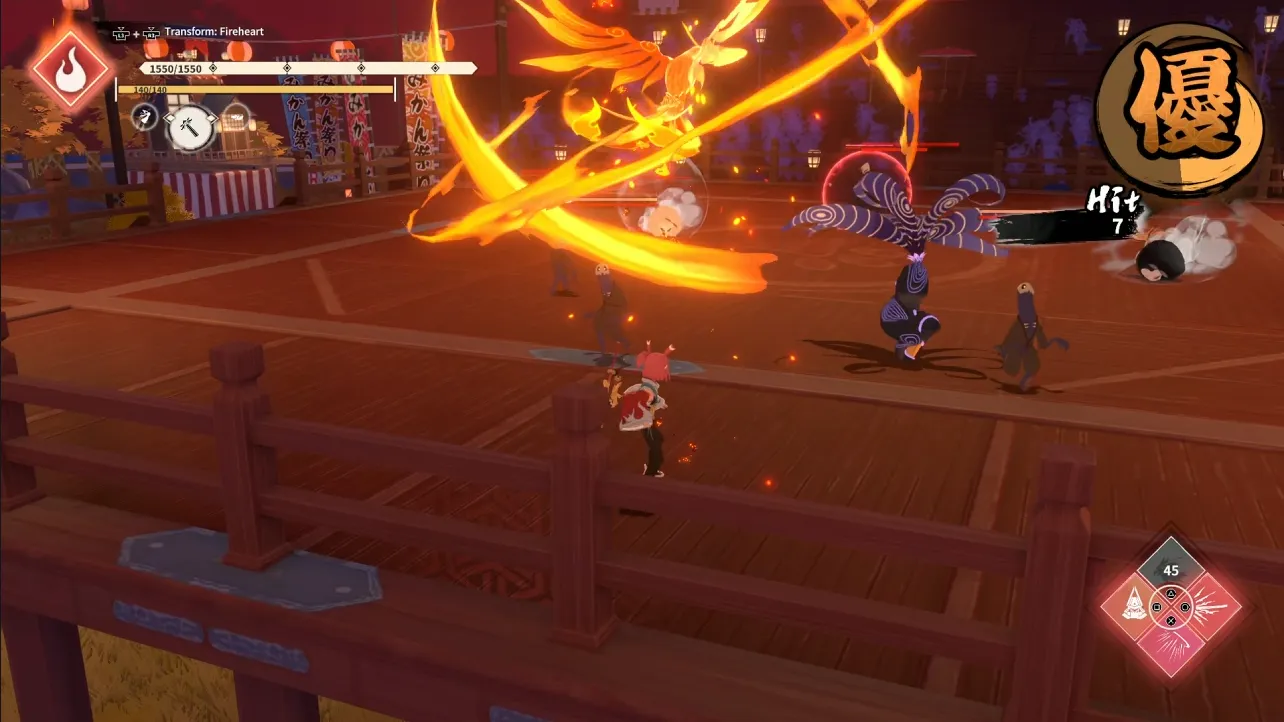
Another aspect I think Homura Hime excels in comparison to NieR is the design of enemies. For the most part they possess a uniqueness not afforded by the latter’s monotonous machine designs and featureless shadow figures, but also are more aggressive and diverse in their movesets given its DNA. But while overall enemy variety is good, most of what you’ll find will be reskins of previous opponents to better fit their aesthetic with the stage. Variety peaks early on, and by the end of the 4th level you’ve seen it all.
Boss encounters, or archdemons, are the hallmark of these designs, and arguably my favorite part of any of these games. Some have argued the game would be better served by fewer, more robust encounters, but they stand out with elaborate attack patterns and animations that will inevitably require players to adapt as they’re not nearly as strictly predictable as even the higher end of regular encounters. Similar to some stronger enemies, when brought down in health they will shift the encounter into a section of intense bullet hell or one requiring the player to perfectly parry them a set number of times in succession. The archdemons are probably the most frustrating part of the game, and that is why I love them so much.
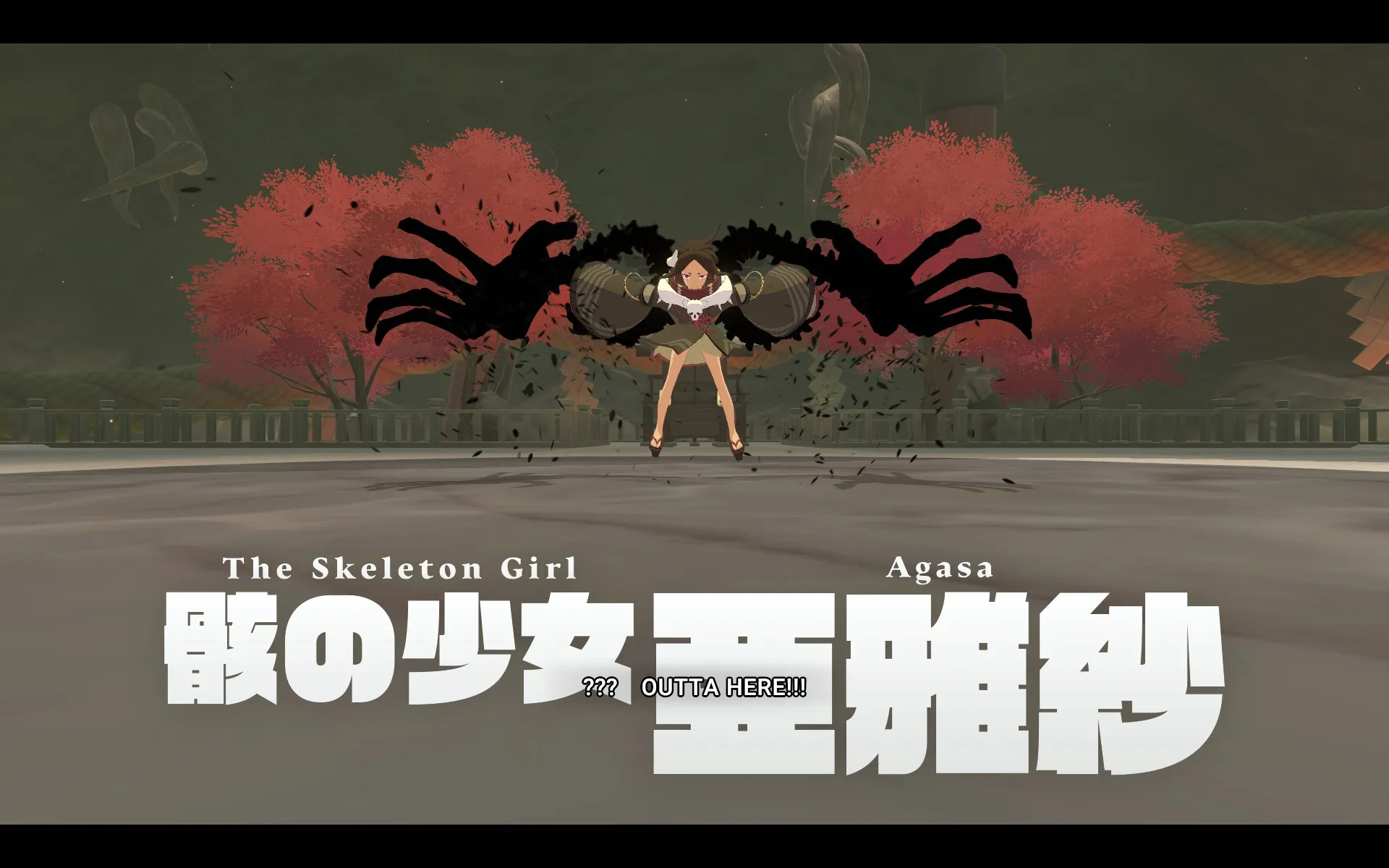
The one unfortunate thing is the length of the levels on the path towards the boss, which at times feel as though they drag without adding much to the experience. The best among them can take that length and use it to engage the player in the stage’s narrative but I’m forced to admit these are not in the majority. I like traversing these levels more often than not, while linear in design, each stage introduces its own traversal elements that prevents the experience from feeling like a slog. I expected to hate the platforming sections in each level because often these titles can put focus on precision or neglect what makes it enjoyable in dedicated platforming games. I was surprised by how much I enjoyed it with how you’ll often find yourself cutting through the air. My main complaint is that platforming requires button prompts which can be inconsistent at times. Worse still, the button in question is the same as parry so it’s almost impossible to recover if you press at the wrong time since parry kills your momentum when airborne.
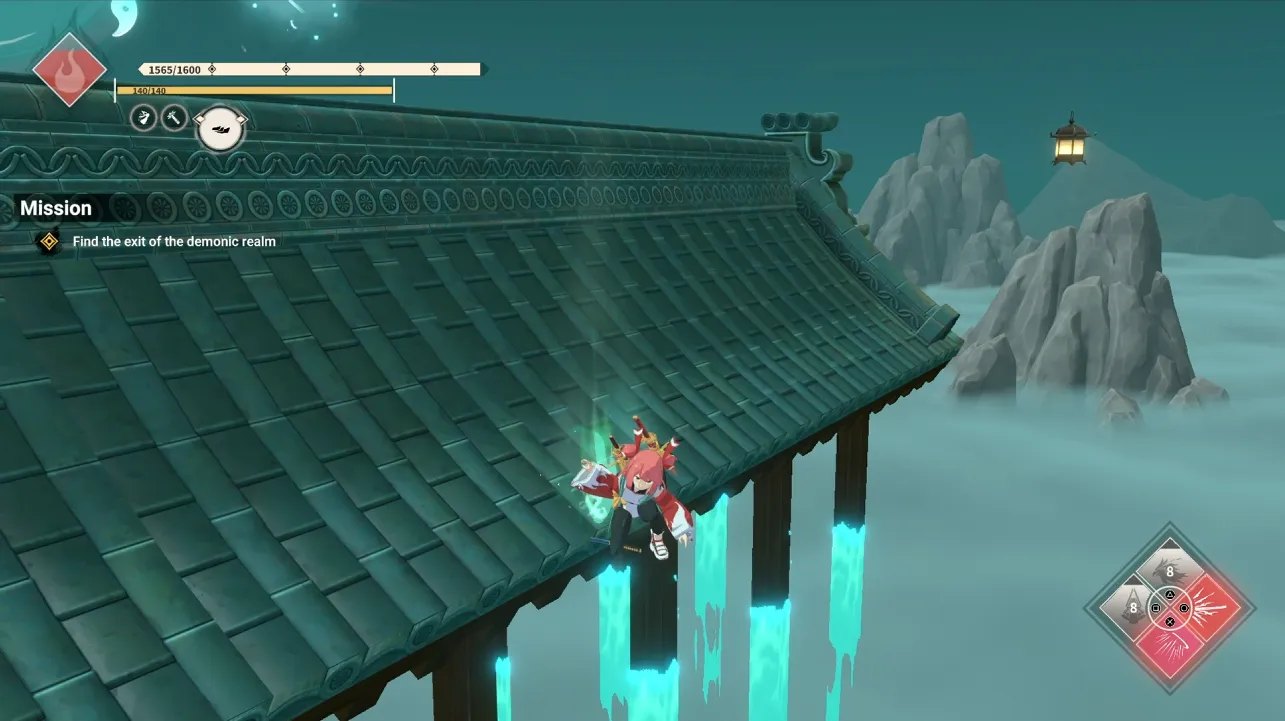
Some will find the environments or visual design of these stages to be repetitive or unmemorable depending on their past experience and tastes, but I felt the presentation of each area had me looking forward to what’s to come. Music amplifies this, carrying the atmosphere each level tries to convey. Enemy designs help carry the aesthetic where the environments fall short, making each stage feel lived in even if the residents rarely speak — though this does become less effective as the campaign goes on and the roster stops expanding.
Among actual issues I found with my experience was poor optimization. While not as egregious as what I’ve experienced from Unreal-based projects, there have been noticeable dips in performance during my campaign. Thankfully, these were mostly isolated to loading screens where I believe autosaves happen, but occasionally I’ll find frame drops during platforming sections which don’t have the most generous checkpoints. I experienced several crashes during transitions which has caused some friction with the experience even with the autosaves. It seems they’ve been mostly patched at the time of writing this but I’ve also seen reports of achievements bugged to not trigger when conditions are met, or the game’s state making them impossible to acquire. I’ve seen several people who have achieved 100% completion and I’m 96% of the way there myself so I wouldn’t say it’s a noteworthy barrier to completion. The developers appear to have plans to improve optimization in future updates, and nothing I’ve seen is truly game breaking so it has not hindered my experience as much as other titles.
In actuality the story never bothered me, chapter-based action titles like this rarely blow me away with their stories but make up for it in other aspects such as character interactions. But I find the characters themselves do little to support its premise as well. Most of them can be placed into a box without subverting much, your first impression of them is exactly what you get. It’s here that the game’s masterful style is its most apparent ceiling while lacking the substance to build upon it. I do think Homura herself and her immediate circle are enjoyable enough to hold the experience, her dynamic with the supporting character Ann being a highlight despite common player reservations surrounding her voice. In spite of these shortcomings in the game’s writing, I found it only hindered my experience as the game dragged on without improvement. It was still worth pressing on due to gameplay loop and presentation.
Last Rites
I followed this game for months on the promise of the kinetic action of Platinum’s titles I’ve been craving and Homura Hime delivered. Combat is everything I could have asked from a spectacle fighter; it’s fast, and I found myself burning hours on the game without realizing. Those who love the thrill of cinematic bosses will definitely have fun here, as each one is worth revisiting even after the campaign’s end.
I enjoyed the music and sound direction for elevating the atmosphere and feel of gameplay and cutscenes. And while simple, its art direction appeals to the eyes in a way that is falling out of style with modern games.
The game does somehow manage to be brief while also overstaying its welcome, the story it tries to tell functions as is but suffers from predictability and overall shallow writing. There are issues with optimization and some achievements can be bugged, but the hindrance has been minimal. Regardless, I can wholeheartedly recommend the game for fans of the genre, and especially for fans of NieR: Automata.
Discussion
0